Posts

Showing posts with the label Story Lab

Story Lab: Week 14 Writers Write

Image
Top Ten Writing Tips by Janet Fitch Here were some of the most useful tips I found, and ones I plan to implement into my own writing. Vintage man writing, Source 1. Write the sentence, not the story. This one is really useful because as writers we already have the big picture of where our story is going in our minds, but we forget that it takes small steps to get there. We need to focus on each sentence and make them all valuable and unique. 3. Kill the cliche As someone in the college of journalism, I am very familiar with this rule. That being said, it is very difficult to avoid cliches in writing because it's so easy for your brain to go there. Stories are better when we invent our own phrases and sentences, and don't rely on past writers for creativity. 7. Smarten up your protagonist. I understand this because there is nothing I hate more when reading and I know something obvious the protagonist doesn't. It makes more sense to have them observing, thinkin...

Story Lab: Week 12 Story Research

Image
Since my schedule is becoming busy with the semester ending soon, I decided the best story laboratory would be to do a little research for my storybook. So far, I've done stories for Helios and Selene, and the grand finale is told by Eos. Eos is one of my favorite greek figures of all time, so I really want to make this story perfect. The common theme in all my stories is these goddesses and gods tricking mortals into doing things. There is a huge rivalry between the two groups, and I want to continue that dynamic. THEOI This website has a lot of information on many different greek figures, not just gods and goddesses. It has a significant section for Eos, including excerpts from poems about her. She is frequently referred to as "rosy fingered dawn," so I'm definitely going to incorporate that phrase in my story.  Eos was cursed by Aphrodite to love young men, including mortals. Similar to Selene, I think I have to make Eos's story a love one too. I don...

Story Lab: Week 10 TV Tropes

Image
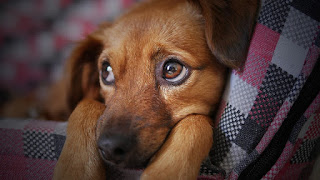
Usually when writing I try to avoid too many tropes, because I hate reading about the damsel in distress or the knight in shining armor over and over again.   This website helped me learn it is impossible to avoid tropes because almost everything has been done. There are some pretty fun and weird ones, and I included them below. (This dog isn't crying, because he can't, but he is sad. Source ) Crying Critters : Animals crying is a trope, because they don't actually do that in real life. I never really thought about how animals don't cry from their emotions, and many of them don't even have the proper body parts to cry anyways. I have probably written in one of my own stories about animals that a baby lion started to cry, and didn't even realize it was a trope. Cell Phones Could Have Solved This : This is a trope when the main plot point of the story could have just been solved if it took place in a time period where cell phones were invented. I think t...

Story Lab: Week 6 - Creative Style

Image
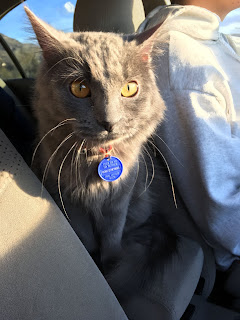
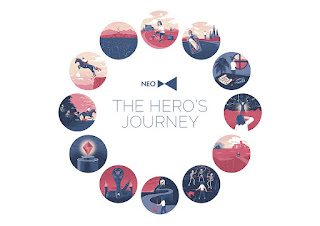
Creative Styles Ted Talks A pretty cat Source Boundless freedom isn't helpful, you need restrictions to be creative = creative restraints Solutions must recognize limitations in order to innovate, like how to reach a goal when you know this specific thing needs work Joseph Campbell wrote about the hero's journey, a cycle every storybook hero goes through to complete her tasks and save the day. not every story hits all the points, but generally follows that pattern The order of the journey, same for Harry Potter to Odysseus call to adventure - hero starts off in their town, then leaves assistance - some figure helps the hero with advice or training departure - hero leaves for the mission trials - slaying monsters, challenges approach - face the biggest monster  crisis - hero is dead or almost dead, but reborn treasure - hero wins and gets a power result - does hero succeed or not return - goes back to home life new life - how the hero has changed resoluti...

Story Lab : Crash Course

Image
Crash Course Mythology Crash Course 1 Most myths are very old and have multiple different versions, so no story is really "wrong" Each myth can be interpreted differently, so everyone understands it differently so nothing is a fact or truth, they're all stories. Myths have been written about since the 6th century BC Myth comes from the greek word mythos, which means story Myths must have significance and staying power, which is how they survive centuries and are passed down. they need to be relevant and interesting.  There is a difference between folklore and myths The story of Persephone explains why we have the different seasons, many myths explain origins of worldly events  Crash Course 12 Mythology is the systematic study of myths, and myths are studied by Some people, including Plato, regarded myths as just lying Euhemerism is interpreting myths as primitive explanations of the natural world or as time distorted accounts of long past historical even...